
How to Start a Small Herb Garden Indoors: A Beginner’s Guide
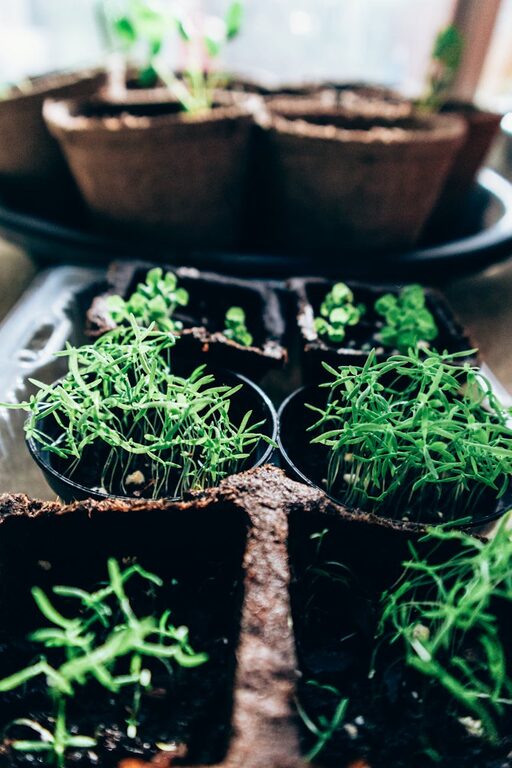
Starting an indoor herb garden is a rewarding way to bring fresh flavors into your cooking and add a touch of green to your living space. Whether you have a sunny windowsill, a small balcony, or just a kitchen corner, growing herbs indoors is easier than you might think. This guide will help you get started with everything you need to know to grow a small herb garden right inside your home.
Why Grow Herbs Indoors?
Growing herbs indoors has many benefits:
– Fresh herbs available year-round
– Greater control over growing conditions
– Saves money compared to buying fresh herbs frequently
– Adds natural fragrance and beauty to your indoor space
– Reduces waste by harvesting exactly what you need
Starting small and learning as you go can make the process enjoyable and successful.
Choosing the Right Herbs for Indoor Gardening
Not all herbs thrive indoors, so it’s best to start with varieties that are easy to grow inside:
– Basil: Prefers bright light and warmth.
– Parsley: Tolerates moderate light, versatile for many dishes.
– Chives: Hardy and low maintenance.
– Mint: Can grow quickly, best kept in its own pot.
– Thyme: Likes well-drained soil and plenty of light.
– Cilantro: Prefers cooler temperatures and bright light.
– Oregano: Thrives in sunny spots.
Choose herbs you frequently use in the kitchen to make harvesting convenient and encouraging.
What You’ll Need to Get Started
Containers
– Choose pots with drainage holes to prevent waterlogging.
– Small to medium pots (4-6 inches in diameter) work well for most herbs.
– Consider using a tray underneath to catch excess water.
Soil
– Use a high-quality, well-draining potting mix, ideally designed for indoor plants.
– Avoid garden soil as it can be too dense and may harbor pests.
Lighting
– Most herbs require 6 to 8 hours of sunlight daily.
– A sunny south-facing window is ideal.
– Alternatively, use fluorescent or LED grow lights if natural light is limited.
Watering Tools
– Watering can with a narrow spout or a spray bottle for gentle watering.
– Avoid overwatering, which can lead to root rot.
Optional Supplies
– Fertilizer: A liquid fertilizer formulated for herbs or vegetables.
– Labels or markers to keep track of your herbs.
– A small fan to improve air circulation.
Step-by-Step Guide to Starting Your Herb Garden
1. Select and Prepare Your Containers
– Clean your pots thoroughly before planting.
– Fill containers with potting mix, leaving about an inch at the top free.
2. Plant the Herbs
– If using seeds, follow the packet’s depth instructions.
– For seedlings, gently remove from their nursery pots and plant at the same depth.
– Space seeds or plants according to the herb’s needs (generally 1-2 inches apart).
3. Watering
– Water lightly after planting to moisten the soil.
– Keep the soil consistently moist but not soggy.
– Water when the top inch of soil feels dry to the touch.
4. Provide Adequate Light
– Place pots in the brightest location available.
– Rotate pots every few days for even growth.
– If using grow lights, position them 4-6 inches above the plants and keep them on for 12-16 hours daily.
5. Fertilize Occasionally
– Use a balanced liquid fertilizer every 3-4 weeks.
– Avoid over-fertilizing, which can reduce flavor intensity.
6. Harvesting Your Herbs
– Begin harvesting once plants have grown a few inches tall.
– Snip leaves or stems using clean scissors, avoiding cutting more than one-third of the plant at a time.
– Regular harvesting encourages bushier, healthier growth.
Troubleshooting Common Issues
– Yellowing leaves: May indicate overwatering or poor drainage.
– Leggy growth: Often caused by insufficient light; move plants closer to light.
– Wilting: Check soil moisture, adjust watering accordingly.
– Pests: Inspect plants regularly for aphids or spider mites; treat using mild soap spray.
Tips for Maintaining Your Indoor Herb Garden
– Keep an eye on humidity — herbs like basil and cilantro appreciate slightly higher humidity levels.
– Clean leaves occasionally to remove dust.
– Repot plants if they outgrow their containers.
– Experiment with different herbs as you gain experience.
Final Thoughts
An indoor herb garden can brighten your living space and enhance your cooking with fresh, homegrown flavors. With a little attention and care, you’ll enjoy the satisfaction of growing your own herbs year-round. Start small, choose herbs you love, and watch your indoor garden flourish.
Happy gardening!